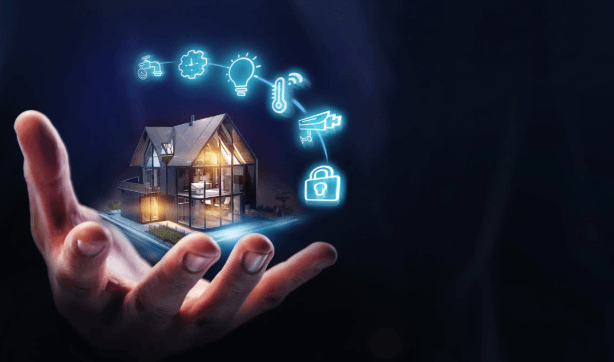
IoT in home ecosystems blends devices, platforms, and services into automated living spaces. Interoperability enables seamless control, data sharing, and adaptive comfort. Security practices protect devices, data, and routines. A freedom-oriented design emphasizes user autonomy, scalable integration, and vendor-agnostic choices. Strategic planning reveals gaps, mitigates risks, and guides upgrades. Context-aware sensing, energy-efficient orchestration, and local processing defend privacy while sustaining reliability across ecosystems—yet the path to resilient, future-ready homes remains nuanced.
What Is a Modern IoT Home Ecosystem
A modern IoT home ecosystem integrates connected devices, platforms, and services into a cohesive, automated network that enhances daily living.
It functions as an interoperable framework where devices share data and actions across ecosystems.
Strategic planning highlights interoperability gaps and mitigations, while security best practices protect devices, data, and routines.
Freedom-oriented design prioritizes user control, scalable integration, and predictable, reliable performance.
How Devices Talk: Connectivity, Standards, and Data
How do devices communicate across a smart home? Devices connect via layered network protocols and interoperable standards, enabling seamless control and data sharing. A strategic approach prioritizes robust data security, encryption, and authenticated access to preserve privacy while preserving freedom of choice. Standards alignment supports vendor diversity, future upgrades, and scalable ecosystems, reducing fragmentation without sacrificing performance or reliability.
Designing for Comfort, Privacy, and Energy Savings
Systems emphasize comfort tuning through adaptive sensing and context awareness, enabling seamless habit accommodation without intrusion.
Privacy safeguards limit data exposure, employing local processing and transparent controls.
Energy-aware orchestration reduces waste while preserving autonomy, delivering trustworthy, interoperable experiences across devices and platforms.
Choosing Platforms and How to Scale Over Time
Choosing platforms and planning scale over time requires a deliberate, platform-agnostic approach that prioritizes interoperability, future-proofing, and manageable growth. This perspective emphasizes flexible, vendor-agnostic choices, open standards, and modularity. A seamless integration mindset supports adaptable deployments, while scalable architecture enables phased expansion, performance consistency, and governance. Decisions should balance freedom with disciplined integration, ensuring longevity, security, and user-centric interoperability across evolving ecosystems.
See also: newsbrave
Frequently Asked Questions
How Secure Is Voice Data in Iot Homes?
Voice data security varies; overall safeguards exist but depend on device design and user practices. The assessment emphasizes IoT privacy, highlighting encryption, vendor transparency, and robust defaults. Strategic interoperability enables freedom while mitigating risks in voice-enabled ecosystems.
Can I Legally Own My Data From Smart Devices?
“Knowledge is power.” The answer: data ownership and privacy rights vary by jurisdiction; individuals should review terms, seek data portability, and exercise consent controls. Ownership is nuanced; legal frameworks influence what users can access, export, or delete.
What Happens if a Device Goes Offline?
When a device goes offline, What happens includes temporary loss of data and control; Offline resilience and hub necessity factor in. Security implications arise, along with Voice data control, Data ownership, Legal rights; Bridgeless setups and budgeting for upgrades.
Do All Devices Require a Hub or Bridge?
Not all devices require a hub or bridge; hub architecture and cross platform standards enable interoperability, but some devices operate independently. Emphasis on network reliability, cloud dependence, and privacy controls guides decisions for freedom-loving users seeking device interoperability.
How Do I Budget for Future Smart Upgrades?
Budgeting for future smart upgrades involves forecasting device refresh cycles and budgeting for energy efficiency, aligning with long-term freedom and interoperability. It suggests budgeting for energy efficiency and forecasting device refresh cycles as core practices. Subtopic ideas: compatibility strategy, upgrade cadence.
Conclusion
A modern IoT home ecosystem is a carefully choreographed orchestra, where devices speak in shared standards and act on common goals. An anecdote frames the idea: a busy morning, the coffee pot triggers blinds and thermostat, all synced without a tap. A 10% energy drop from coordinated routines underscores the payoff of interoperability. The result is comfort, privacy, and scalable choice—strategic, vendor-agnostic design that adapts as needs evolve, while preserving user autonomy across platforms.
